
购物车里还没有商品。
特色
描述
研究领域
,Product Categories/Antibodies
图片与验证
−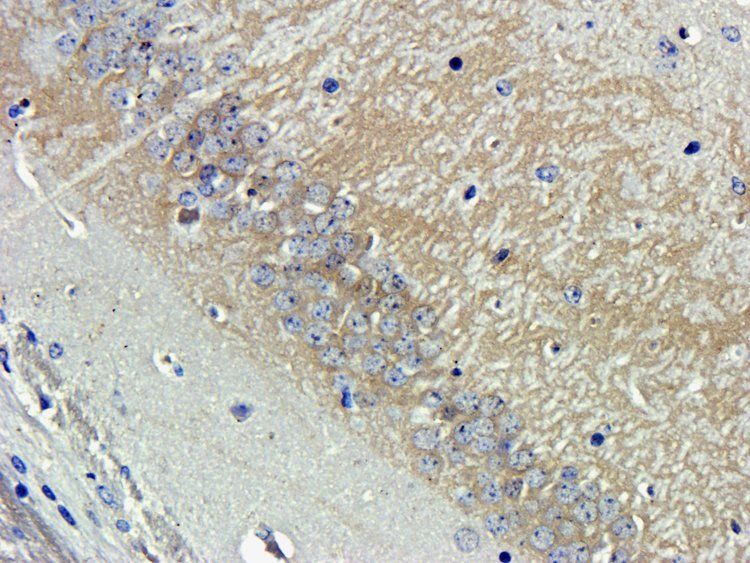
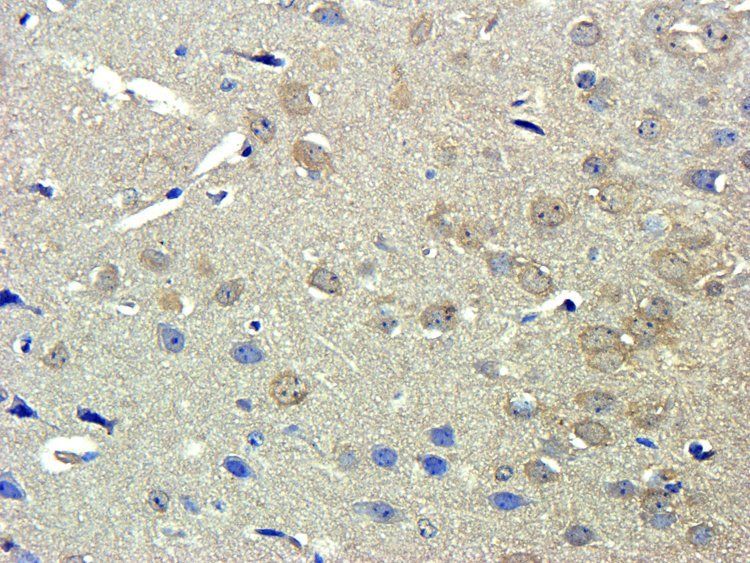
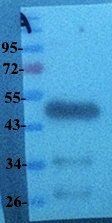
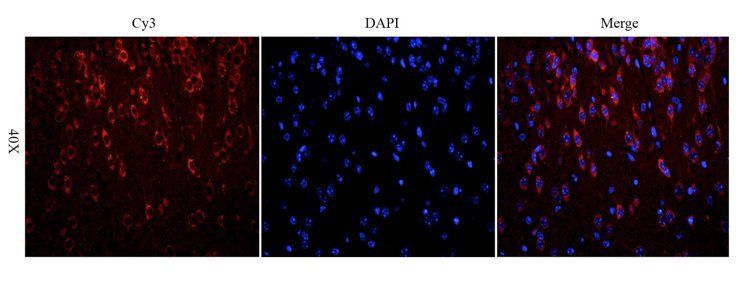
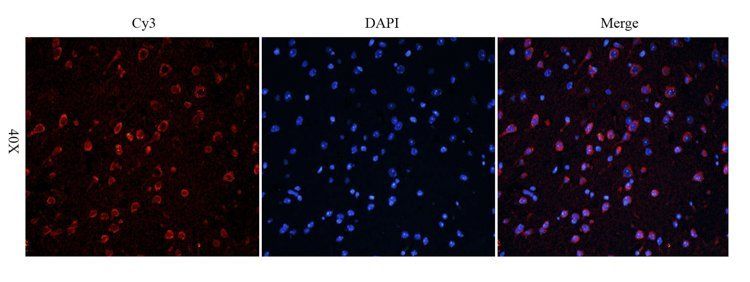
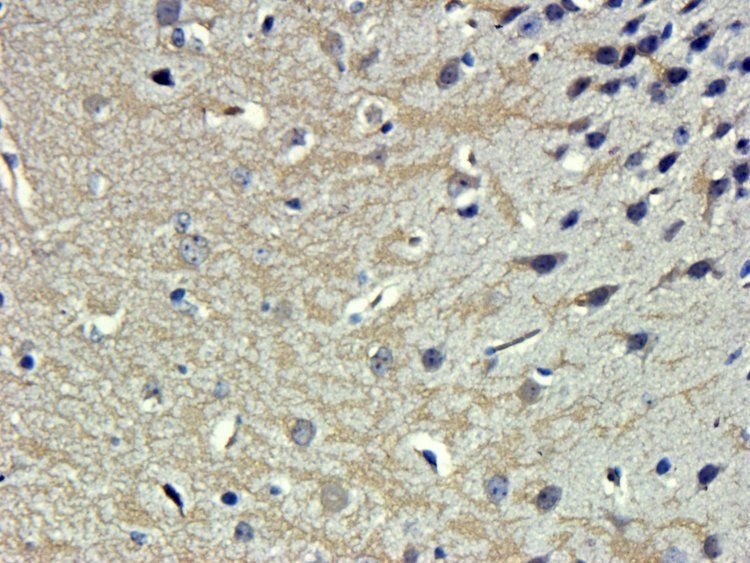
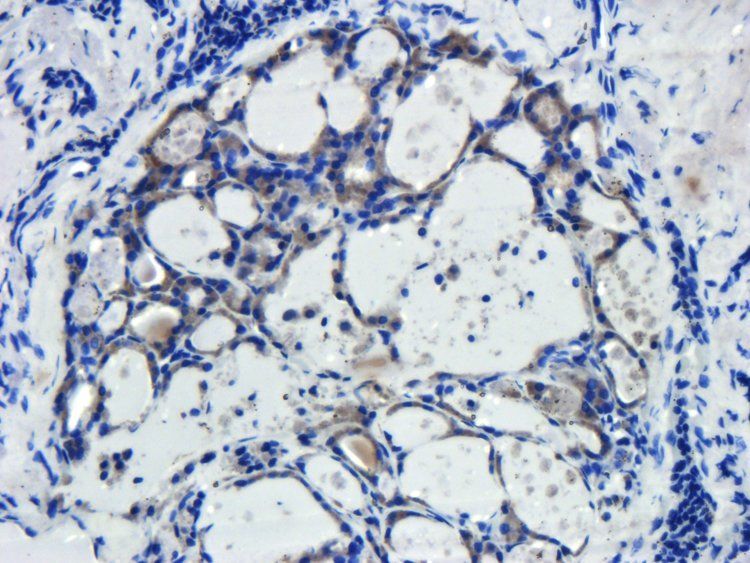
Item 1 of 7
| 已测应用 | ELISA, ICC, IF, IHC-P, WB |
|---|---|
| 稀释范围 | WB: 1:500, IHC: 1:200, IF/ICC: 1:200 |
| 反应性 | Human, Mouse |
关键属性
−| 宿主 | Rabbit |
|---|---|
| 克隆性 | Polyclonal |
| 同种型 | IgG |
| 免疫原 | Recombinant human beta actin protein (orb84841) was used as immunogen. |
| 靶点 | beta Actin |
| 分子量 | 42 kDa |
| 纯度 | Polyclonal antibodies are purified by peptide affinity chromatography |
| 偶联 | Unconjugated |
储存与操作
−| 储存 | Maintain refrigerated at 2-8°C for up to 2 weeks. For long term storage store at -20°C in small aliquots to prevent freeze-thaw cycles. |
|---|---|
| 形态/外观 | 10 mM PBS, 0.02% sodium azide |
| 浓度 | - 100 μg (in 200 μl): 0.5 mg/ml- 200 μg (in 400 μl): 0.5 mg/ml |
| 有效期 | 12 months from date of receipt. |
| 免责声明 | For research use only |
别名
−anti ACTB antibody, anti Actin cytoplasmic 1 antibody, anti Actx antibody, anti b actin antibody, anti b-actin antibody, anti Beta cytoskeletal actin antibody, anti Beta-actin antibody, anti cytoplasmic 1 antibody, anti Melanoma X actin antibody, anti N-terminally processed antibody
相似产品
−- Item 1 of 8
- Item 1 of 9
SPTBN2 Antibody / Spectrin beta III [orb750058]
FACS, IF, IHC-P, WB
Human, Mouse, Rat
Mouse
Monoclonal
Unconjugated
20 μg - Item 1 of 9
SPTBN2 Antibody / Spectrin beta III [orb2640224]
FACS, IF, IHC-P, WB
Human, Mouse, Rat
Mouse
Monoclonal
Unconjugated
100 μg - Item 1 of 6
Actin Rabbit Polyclonal Antibody [orb182438]
IF, IHC-Fr, IHC-P, WB
Bovine, Canine, Human, Rabbit
Mouse, Rat
Rabbit
Polyclonal
Unconjugated
200 μl, 50 μl, 100 μl - Item 1 of 5
Beta-Actin Rabbit Polyclonal Antibody (Loading Control) [orb500817]
FC, ICC, IF, IHC-Fr, IHC-P, WB
Canine, Feline, Fish, Gallus, Guinea pig, Insect, Porcine, Rabbit, Sheep
Hamster, Human, Mouse, Rat
Rabbit
Polyclonal
Unconjugated
100 μl, 50 μl, 500 μl



质量保证
Explore bioreagents carefree to elevate your research. All our products are rigorously tested for performance. If a product does not perform as described on its datasheet, our scientific support team will provide expert troubleshooting, a prompt replacement, or a refund. For full details, please see our 条款与条件和选购指南.
按应用筛选
按种属筛选
Li Xu 1, Jie Su 2, Caili Du 3, Hui Liu 4, Wei Lv Ghrelin suppresses hypoxia/reoxygenation-induced H9C2 cell pyroptosis via NLRP3 Cell Mol Biol (Noisy-le-grand), (2024)
应用
IF
反应性
Rat
Wang, Weiwei et al. Notoginsenoside R1 alleviates high glucose-evoked damage in RSC96 cells through down-regulation of miR-503 Artif Cells Nanomed Biotechnol, 47, 3947-3954 (2019)
